
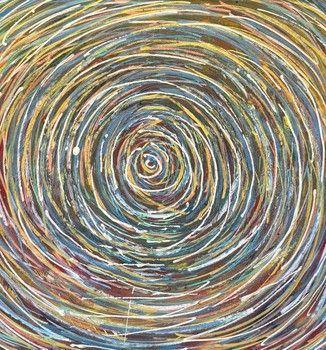
Rabbit Proof Fence
"When I was a little girl, my sister and I would visit our nanna [Molly Craig]. We really looked after her and checked if she had any food and sometimes she would say " I'm hungry one." We would race home to make damper and cook some meat and take it back to her before it got dark. She was a caring and beautiful lady but she never told her story about what happened when she was young because my sister and I were part of welfare. That's why my sister and I had a great connection with our nanna, an unspoken connection." - Kathleen Sorenson In 1931 sisters Molly Craig, Daisy Kadibil and Gracie Fields were taken from their families, like many other Aboriginal children at that time, and transported to Moore River Native Settlement, north of Perth. They were taken away in the belief that partAboriginal children should be trained as domestic servants. The three girls escaped the next day and, incredibly, walked 1600 kilometres home to Jigalong using the Rabbit-Proof Fence to navigate. The Rabbit Proof Fence remains the world’s longest fence, and was built in the early 1900s to separate rabbits from pasture. For nine weeks, the girls followed its length in order to be reunited with their family. They crossed a flooded river, sand dunes, heathlands, wheatbelts and plains, claypans and salt lakes. They slept in dug-out rabbit burrows, and caught and cooked rabbits, along with other plant based bush tucker. For the duration of their journey they were pursued by policeman and an © Copyright for the artwork remains with the artist. Copyright for the text remains with Shire of East Pilbara (Martumili Artists) Aboriginal police tracker. The girls' story has been immortalised in the novel "Follow the Rabbit-Proof Fence" by Doris Pilkington (Nugi Garimara, 1996), and was adapted into the film "Rabbit Proof Fence" (2002). This story retains special significance for the Martu, and in particular those inhabitants of Jigalong Aboriginal community. The three girls were Martu, and their children and grandchildren continue to live in the Martu homelands today. Jilukurru (Killagurra Springs, Canning Stock Route, Well 17) "When I went back to my County, I thought how beauƟful the spinifex was. How the sun glazed against the spinifex. The county that I speak of is Jilukurru, my grandfather's Country." - Kathleen Maree Sorenson Jilukurru (Killagurra Springs, Canning Stock Route Well 17) is a yinta (permanent spring) located in the hills and gorges yapurra (west) of Kumpupirntily (Kumpupintily, Lake Disappointment). This spring was an important site for meetings during the pujiman (traditional, desert dwelling) era. Spinifex "When I went back to County, I thought how beautiful the spinifex was. How the sun glazed against the spinifex. The County that I speak of is Jilukurru, my grandfather's country." - Kathleen Maree Sorenson Martu Country is dominated by striking permanent tali (sandhills) covered with spinifex, gums, and other trees and shrubs. Spinifex is a pale green, spiky grass that grows in clumps throughout the Central and Western Deserts of Australia. Some varieties yield edible seeds and another contains a resin. Martumili Artists was established in late 2006 and supports Martu arƟsts in Kunawarritji, Punmu, Parnngurr, Jigalong, Warralong,Irrungadji (Nullagine) and Parnpajinya (Newman). Many Martu artists have close relationships with established artists amongst Yulparija, Kukatja and other Western Desert peoples and are now gaining recognition in their own right for their diverse, energetic and unmediated painting styles. Their works reflect the dramatic geography and scale of their homelands in the Great Sandy Desert and Rudall River regions of Western Australia. Martumili Artists represents speakers of Manyjilyjarra, Warnman, Kartujarra, Putijarra and Martu Wangka languages, many of whom experienced first contact with Europeans in the 1960s. The artists include painters, working in acrylics and oils, as well as weavers coiling baskets and sculptors working in wood, grass and wool. Martu artists proudly maintain their creative practices whilst pursuing social and cultural obligations across the Martu homelands.

